
The U.S. Supreme Court on Monday allowed the Trump administration to continue construction of border barrier and security infrastructure in far west Texas while a legal challenge moves forward, clearing the way for contractors to resume work on hundreds of miles of fencing, patrol roads and surveillance systems — including stretches inside and beside Big Bend National Park, as reported by NPR.
In a five-page, unsigned decision, the court wrote that the federal judge in El Paso who had halted the construction did not have the authority to issue the injunction, which the justices said “impedes the Government from advancing its ‘compelling interests’ in border security and integrity.” Justice Ketanji Brown Jackson dissented. The ruling noted that federal law allows the Department of Homeland Security to waive environmental protections and conservation laws, a “clear preference for expeditious border construction over the very harms respondents assert,” the court wrote.
A federal judge in El Paso had issued the temporary injunction that halted construction of 30-foot-tall steel barriers, patrol roads, surveillance systems and other infrastructure after the suit was brought by the Center for Biological Diversity, a historic church preservation nonprofit near the border, and a landowner whose property lies in the path of the barrier. “This decision greenlights the contractors and allows the bulldozers to come roaring back into the region,” said Laiken Jordahl of the Center for Biological Diversity.
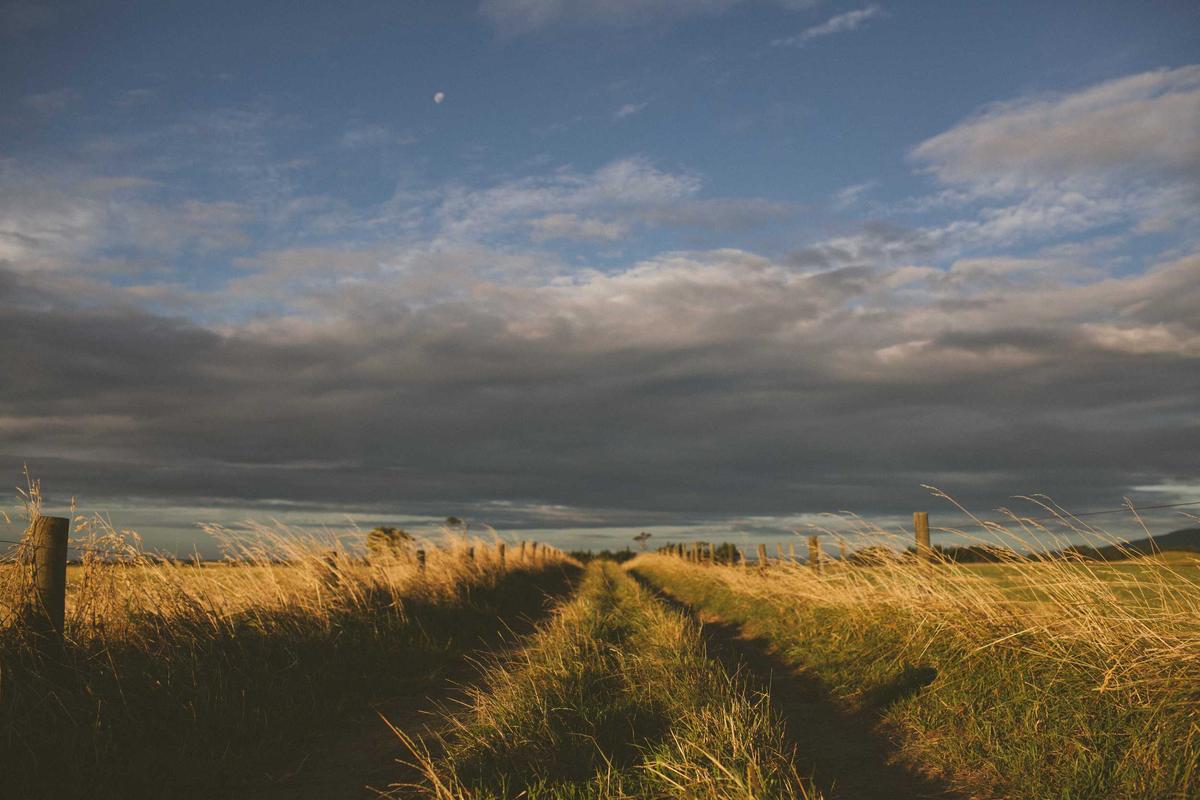
What makes the Big Bend fight unusual is who is objecting. The administration’s plan has stirred bipartisan backlash in the borderlands, because the region is not a typical crossing corridor. The Big Bend Sector — nearly 500 miles of border — makes up over a quarter of the U.S.-Mexico boundary but regularly records the fewest encounters along the Texas side, according to Customs and Border Protection data. Rugged canyons, desert heat and remote terrain have historically meant far fewer crossings than urban corridors to the east, and locals have displayed signs questioning why a wall is needed at all in a place known for its unspoiled landscape.
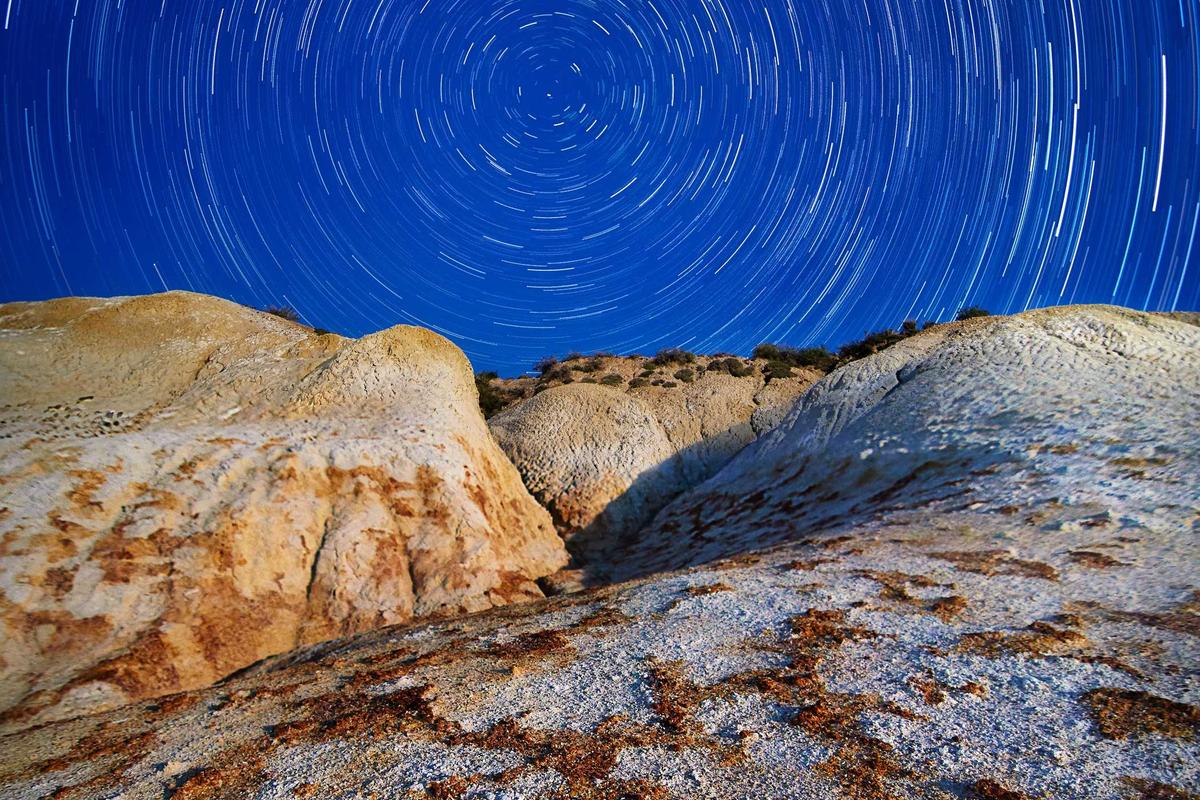
The economic stakes are real for a region that leans on tourism. Big Bend National Park draws visitors from across the country to its canyon trails and dark skies, and gateway towns like Marfa and Terlingua depend on the traffic. Business owners have protested the plans through groups like No Big Bend Wall, warning about impacts on the tourism-based economy, wildlife corridors, and Indigenous and archeological sites. A separate suit filed by Texas landowners in September over the federal barrier plans in the Big Bend area remains pending. In its emergency application filed in late October, the government warned that a gap in border defenses would become “a dangerous magnet for cartels and other bad actors,” while Solicitor General John Sauer called the injunction “baseless” and “unprecedented.”
Construction schedules will now be up to DHS, and litigation continues in the lower courts even as earth-moving resumes. For the small communities of the Trans-Pecos, the question is no longer whether the machinery arrives, but how much of the desert’s character survives it.