
Downtown Houston has launched a new public art initiative that transforms plate-glass windows and blank street-level surfaces into a walkable gallery featuring Houston’s creative community. The project, announced July 8, 2026, represents a collaborative effort between downtown property owners, the City of Houston, and local artists to activate underused commercial spaces and enhance the pedestrian experience in the city’s core business district.
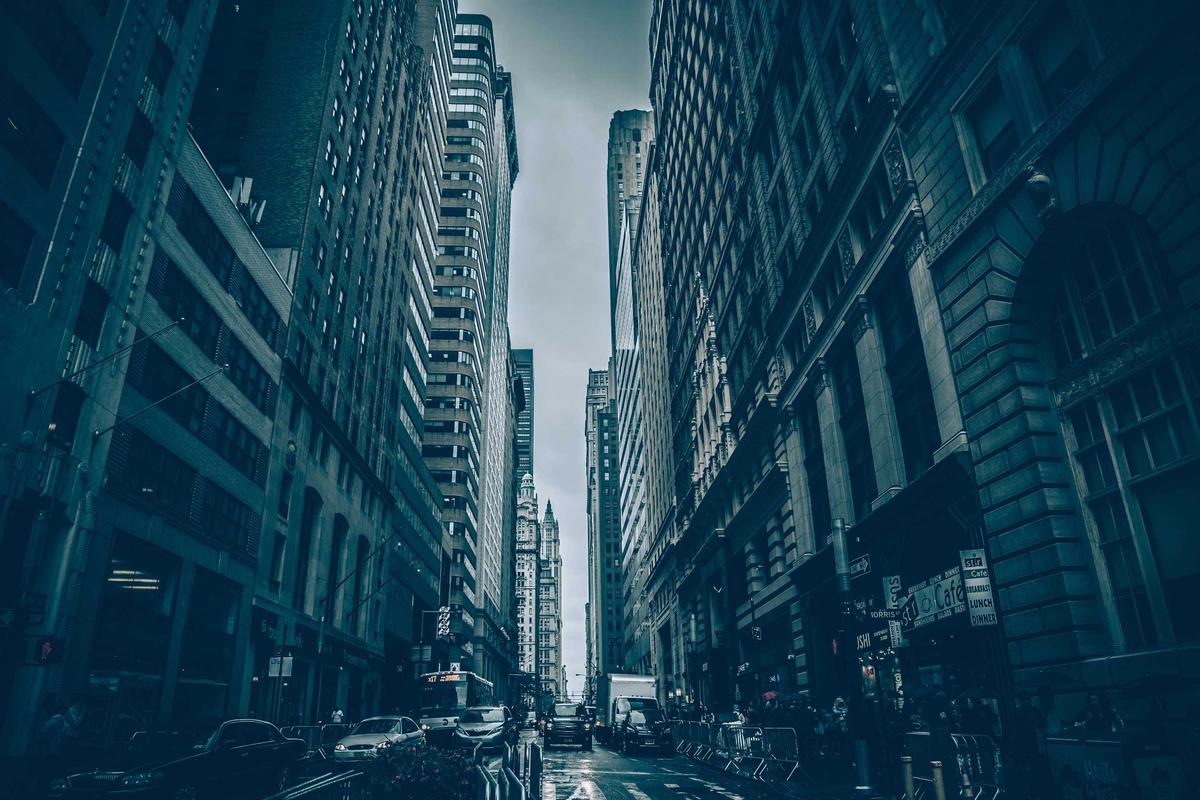
The initiative comes at a time when downtown Houston, like many urban business districts across the country, is working to revitalize its street-level experience in the face of shifting office occupancy patterns. With hybrid work reducing daily foot traffic in many downtown buildings, property owners and city officials have been seeking creative ways to make the area more attractive to residents, workers, and visitors. Public art has emerged as a cost-effective strategy, animating vacant storefronts and blank walls that would otherwise detract from the urban environment.
According to Texas Business Times, the initiative features works from a diverse roster of Houston-based artists, reflecting the city’s status as one of the most culturally diverse metropolitan areas in the United States. The installations range from paintings and photographs displayed in vacant storefront windows to murals on blank walls and mixed-media installations in underused pedestrian spaces. A walking route connects the installations, allowing visitors to experience the gallery as a self-guided tour through the downtown grid.
For Houston’s business community, the initiative carries both direct and indirect benefits. Property owners benefit from the activation of vacant spaces, which can make properties more attractive to prospective tenants. Studies in other cities have shown that public art installations can increase foot traffic, extend the time visitors spend in an area, and boost sales at nearby restaurants and retailers. The presence of well-curated public art has also been linked to higher commercial property values and faster lease-up rates.
The initiative is part of a broader trend in Houston’s downtown development. Over the past several years, downtown Houston has seen significant investment in residential development, with thousands of new apartment units coming online. The population of downtown Houston has grown steadily, creating a base of residents who seek amenities and cultural offerings within walking distance. The public art initiative responds to this demand, providing a free, accessible cultural experience that enhances quality of life for downtown residents and workers.
The timing of the launch aligns with Houston’s broader economic development strategy. The city has been working to diversify its economy beyond the energy sector, attracting companies in technology, healthcare, and professional services. A vibrant downtown cultural scene is a key selling point for companies considering relocation to Houston, particularly those competing for younger workers who prioritize urban amenities and cultural experiences in their job decisions.
The business district’s transformation also reflects competitive dynamics among Texas cities. Austin has long leveraged its cultural brand to attract companies and workers. San Antonio has invested in its downtown River Walk and cultural infrastructure. Dallas has developed the Arts District as a centerpiece of its urban identity. Houston, the largest city in Texas and the fourth-largest in the United States, has sometimes been perceived as more commercially than culturally oriented. The public art initiative, along with other downtown investments, aims to shift that perception.
For the artists involved, the initiative provides visibility and compensation. Each artist receives a stipend for their participation, and the installations include information about the artist and their work, providing a platform for broader recognition. The initiative also creates opportunities for artists to connect with property owners and businesses, potentially leading to commissioned works or longer-term collaborations.
The project’s funding model is noteworthy. Rather than relying solely on public funding, the initiative is supported through a combination of sources, including property owner contributions, corporate sponsorships, and city grants. This blended approach allows the project to scale without placing excessive burden on any single funding source and creates shared ownership among stakeholders. As reported by EINPresswire via Texas Business Times, the initiative has drawn positive early response from both the business and arts communities.
The launch also highlights the growing recognition among Texas business leaders that quality-of-place investments are economic development tools. The Texas economy, the eighth largest in the world if it were an independent nation, has been built on traditional strengths — energy, agriculture, manufacturing, and more recently, technology and financial services. Increasingly, however, state and local leaders are recognizing that attracting and retaining talent requires investments in the amenities and experiences that make places livable and appealing.
The downtown Houston public art initiative is modest in scale compared to major capital projects, but its strategic value may exceed its cost. By activating vacant spaces, supporting local artists, and enhancing the pedestrian experience, the project addresses multiple objectives simultaneously. It is the kind of low-cost, high-impact intervention that other business districts across Texas and the country may seek to replicate.
As the installations remain in place through the summer and beyond, downtown Houston will be watching to see whether the initiative translates into measurable economic benefits — increased foot traffic, higher retail sales, faster lease-up of vacant spaces. If it does, the walkable gallery could become a permanent feature of Houston’s downtown landscape and a model for similar projects in business districts across Texas.